
Most people have encountered someone who seems incredibly caring on the surface but leaves them feeling unheard, unsupported, or emotionally drained. These individuals may say all the right things, offer sympathy when it’s socially expected, and present themselves as compassionate people. However, beneath the surface, they may not genuinely care about the feelings, struggles, or well-being of others.
Faking Empathy Appearing Caring When You Really Dont Give A Damn This behavior is often described as faking empathy—appearing concerned, supportive, or emotionally invested when the feelings are not sincere. While everyone occasionally pretends to be interested in a conversation out of politeness, some people consistently perform empathy without actually experiencing it.
Understanding why people fake empathy can help you recognize unhealthy relationships, protect your emotional energy, and build stronger connections with people who genuinely care.
In this guide, we’ll explore the psychology of fake empathy, the signs that someone is only pretending to care, and practical ways to respond when you encounter emotionally insincere behavior.
🧠 What Is Fake Empathy?
Empathy is the ability to understand and share another person’s emotions. Genuine empathy involves emotionally connecting with someone’s experience and showing authentic concern.
Faking Empathy Appearing Caring When You Really Dont Give A Damn Fake empathy, on the other hand, is a performance. A person may use sympathetic words, concerned facial expressions, or comforting phrases without genuinely caring about the outcome. Their goal is often to maintain a certain image, avoid criticism, gain trust, or achieve a personal advantage.
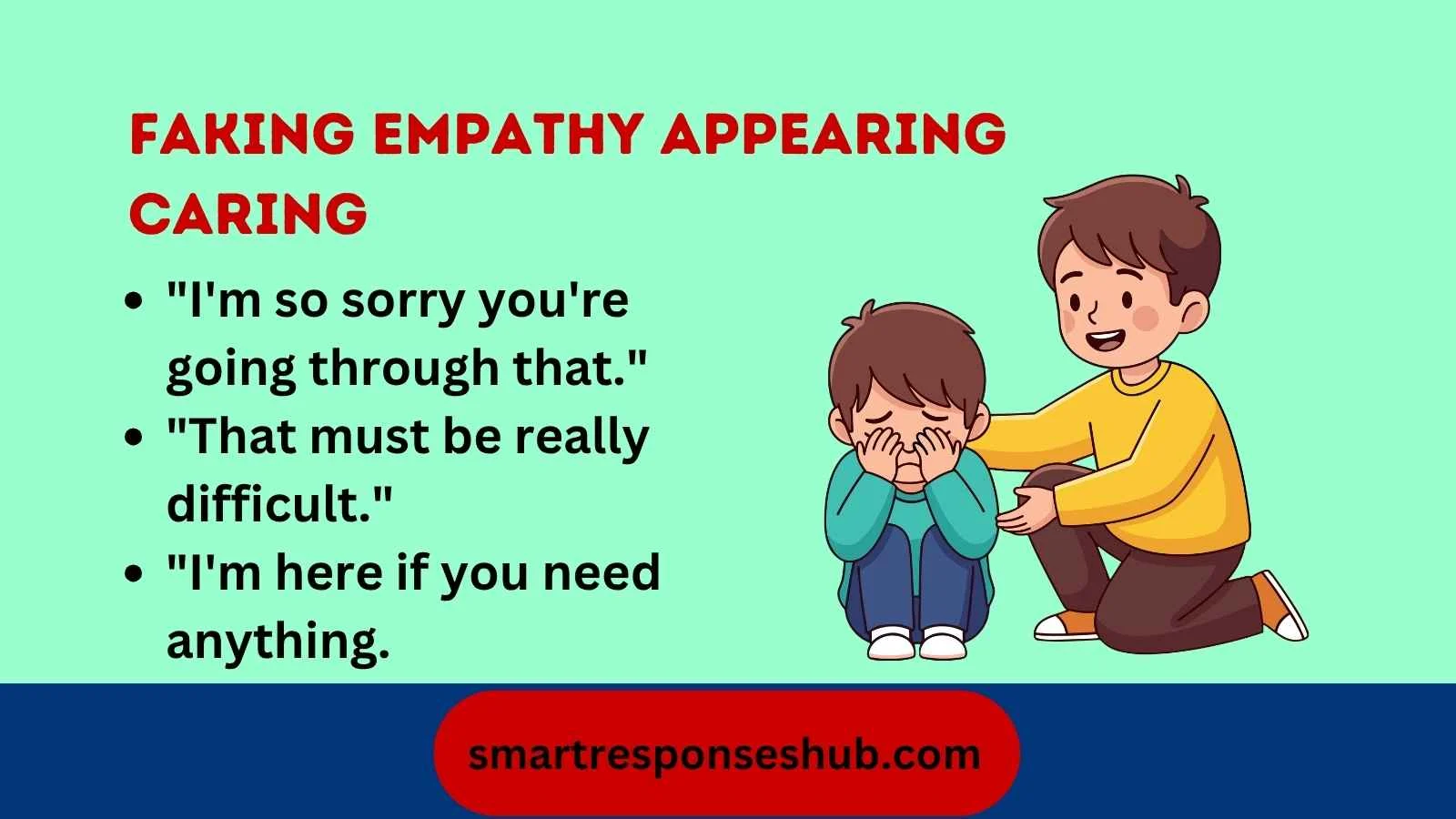
For example, someone might say:
- “I’m so sorry you’re going through that.”
- “That must be really difficult.”
- “I’m here if you need anything.”
Yet when you actually need support, they disappear, change the subject, or become inconvenienced by your problems.
The words sound caring, but the actions reveal a lack of genuine concern.
🎭 Why People Fake Empathy
Faking Empathy Appearing Caring When You Really Dont Give A Damn People fake empathy for many different reasons. Not all of them are malicious.
Some individuals simply want to appear polite. Society often expects people to respond compassionately when others are upset, so they follow social rules without feeling deeply connected.
Others may fake empathy because they want to maintain a positive image. Being perceived as kind, supportive, and caring often brings social benefits. It can improve reputations, strengthen influence, and make people more likable.
In some cases, fake empathy becomes a tool for manipulation. Someone may pretend to care in order to gain trust, influence decisions, or maintain control over a relationship.
There are also people who struggle with emotional awareness. They may know what empathetic behavior looks like but have difficulty genuinely connecting with another person’s feelings.
🚩 Signs Someone Is Faking Empathy
Recognizing fake empathy isn’t always easy because the words often sound convincing.
Faking Empathy Appearing Caring When You Really Dont Give A Damn One major sign is inconsistency. A person may express concern when others are watching but show little interest when no audience is present.
Another warning sign is that conversations quickly become about them. You share a problem, and within minutes they’re talking about their own experiences, achievements, or frustrations.
Fake empathy often sounds scripted. The person repeatedly uses generic phrases but rarely asks meaningful follow-up questions.
For example:
- “That’s tough.”
- “I’m sorry to hear that.”
- “I hope things get better.”
While these responses aren’t necessarily bad, they become suspicious when they’re the only response and never lead to genuine engagement.
People who fake empathy may also seem impatient when emotional conversations last longer than expected. They want to appear caring without investing real time or energy.
💬 Common Examples Of Fake Empathy
Faking Empathy Appearing Caring When You Really Dont Give A Damn Fake empathy appears in everyday situations more often than many people realize.
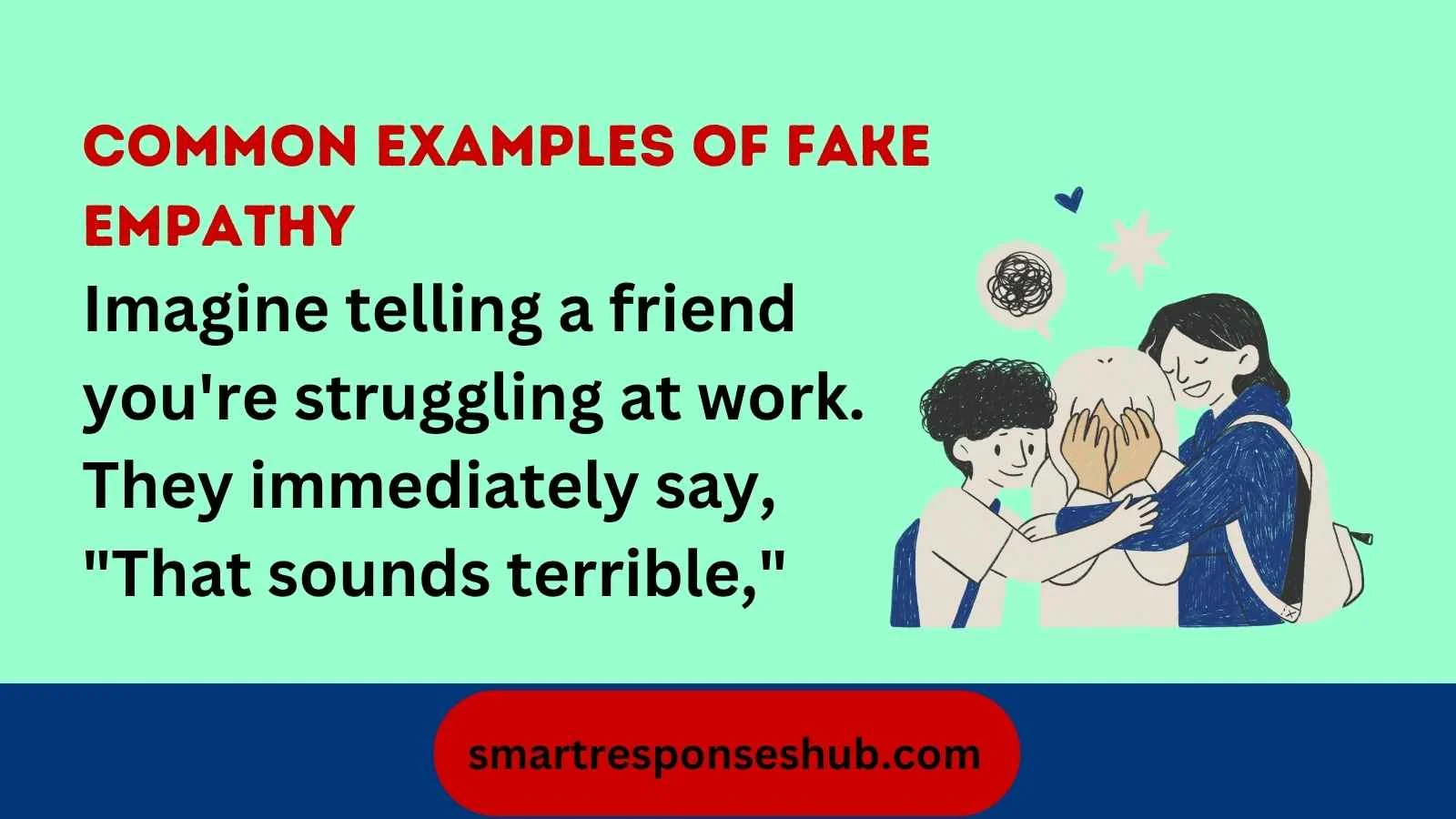
Imagine telling a friend you’re struggling at work. They immediately say, “That sounds terrible,” but then spend the next twenty minutes discussing their weekend plans.
Or perhaps a coworker expresses concern about your stressful project but offers no assistance despite having the ability to help.
Social media has also made performative empathy more common. Some people publicly support causes, tragedies, or personal struggles primarily because it improves their image rather than because they genuinely care.
In each case, the appearance of concern exists, but meaningful action is absent.
🔍 The Difference Between Fake Empathy And Genuine Empathy
The easiest way to distinguish between the two is to look at behavior instead of words.
Genuine empathy involves:
- Listening carefully.
- Asking thoughtful questions.
- Remembering important details.
- Offering support when possible.
- Respecting emotions even when they don’t fully understand them.
Fake empathy often involves:
- Generic responses.
- Minimal effort.
- Quick subject changes.
- Attention-seeking behavior.
- Concern that disappears when it’s inconvenient.
Real empathy is demonstrated through consistent actions over time. Fake empathy tends to fade as soon as it stops benefiting the person displaying it.
😕 How Fake Empathy Affects Relationships
Relationships thrive on trust and emotional safety. When someone repeatedly pretends to care without truly caring, trust gradually erodes.
You may start feeling misunderstood, dismissed, or emotionally alone even when the other person appears supportive.
Over time, this can create frustration and confusion. Many people struggle to explain why a relationship feels unsatisfying because the other person technically says all the right things.
The problem is that emotional connection requires authenticity. Words alone cannot replace genuine concern.
Whether the relationship is romantic, professional, familial, or platonic, fake empathy often leaves people feeling emotionally exhausted.
🏢 Fake Empathy In The Workplace
Workplaces are common environments for performative empathy.
Managers may express concern for employee well-being while consistently ignoring workload issues. Coworkers may offer sympathy but avoid helping when support is actually needed.
Corporate statements sometimes emphasize care, compassion, and employee wellness while organizational policies tell a different story.
This doesn’t mean every expression of concern is fake. However, when supportive language isn’t backed by meaningful action, employees often recognize the disconnect.
People tend to trust actions more than slogans.
❤️ Fake Empathy In Dating And Relationships
Romantic relationships can be particularly vulnerable to fake empathy.
At the beginning of a relationship, some individuals appear deeply interested in their partner’s emotions, experiences, and challenges. However, once commitment is established, the emotional support disappears.
A partner who fakes empathy may seem attentive during conversations but fail to provide meaningful support during difficult times.
This creates an imbalance where one person feels emotionally invested while the other is merely maintaining appearances.
Healthy relationships require authentic care, not just convincing performances.
🛡️ How To Deal With People Who Fake Empathy
The first step is recognizing the pattern.
Instead of focusing on what people say, pay attention to what they consistently do.
Ask yourself:
- Do they follow through?
- Do they remember important details?
- Do they support others when it’s inconvenient?
- Do they listen without making everything about themselves?
Once you identify emotionally insincere behavior, adjust your expectations accordingly.
You don’t necessarily need to confront every person who displays fake empathy. Sometimes it’s enough to stop relying on them for emotional support.
Invest more energy in relationships with people who consistently demonstrate genuine care.
🌱 Why Authentic Empathy Matters
Authentic empathy strengthens relationships, improves communication, and builds trust.
When people feel understood, they become more open, honest, and connected.
Genuine empathy doesn’t require perfect advice or constant emotional involvement. Often, simply listening and showing sincere concern is enough.
The most supportive people aren’t always the ones who say the most. They’re often the ones who consistently show up when it matters.
❓ Frequently Asked Questions
🤔 Is fake empathy always manipulative?
No. Sometimes people fake empathy because they don’t know how to respond emotionally or feel social pressure to appear caring. However, it can also be used manipulatively.
🧠 Can someone learn genuine empathy?
Yes. Empathy can often be developed through self-awareness, active listening, emotional education, and practice.
🚩 What is the biggest sign of fake empathy?
A major sign is when caring words are not supported by caring actions.
💬 Why do some people pretend to care?
They may want approval, social acceptance, influence, or simply wish to avoid appearing insensitive.
❤️ Can relationships survive fake empathy?
Long-term relationships usually struggle when emotional authenticity is missing because trust gradually declines.
🏁 Conclusion
Faking empathy while appearing caring when you really don’t give a damn is more common than many people realize. Although the words may sound compassionate, genuine empathy is ultimately revealed through actions, consistency, and authentic concern.
The difference between real and fake empathy becomes clear over time. Real empathy listens, remembers, supports, and shows up when needed. Fake empathy often relies on appearances, generic responses, and temporary performances.